Chalet Artefacts
The definition of artifact/artefact is: “an item made or given shape by humans in the past. Such as a tool or a work of art.”
Knowing something about the artists who worked at Chalet helps personalize your glass and getting a glimpse into their time and place strengthens your connection with your pieces. Not to mention that historical contest is also fascinating. Little by little, we have learned more not only about the glass itself but have also uncovered some pretty interesting materials about the company as well as the time and place in which the glass was made. I thought it would be interesting to do a visual representation of some of this by showing some historical tangibles – artefacts – in an article. So, let’s take a look at some Chalet objects of “archaeological interest.”
The most common Chalet artefact is obviously the glass itself.
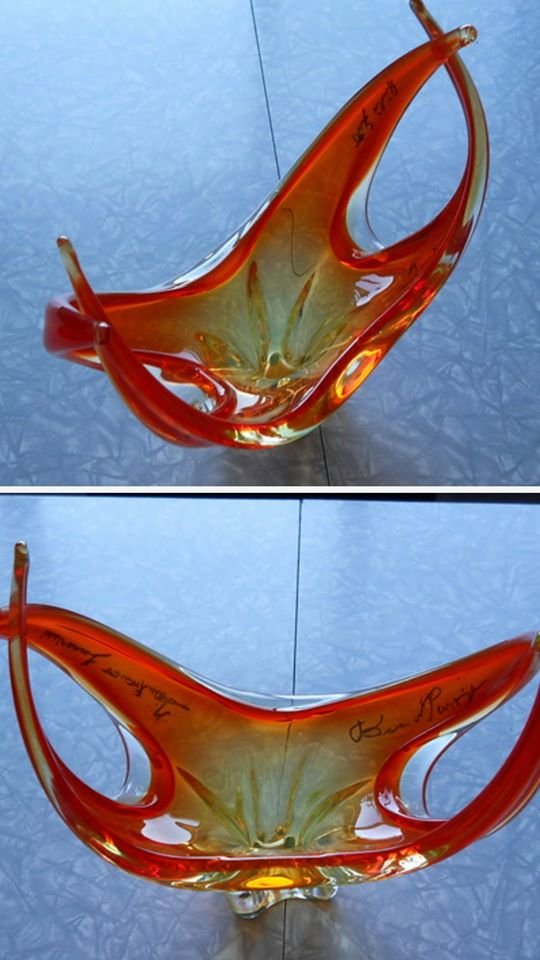
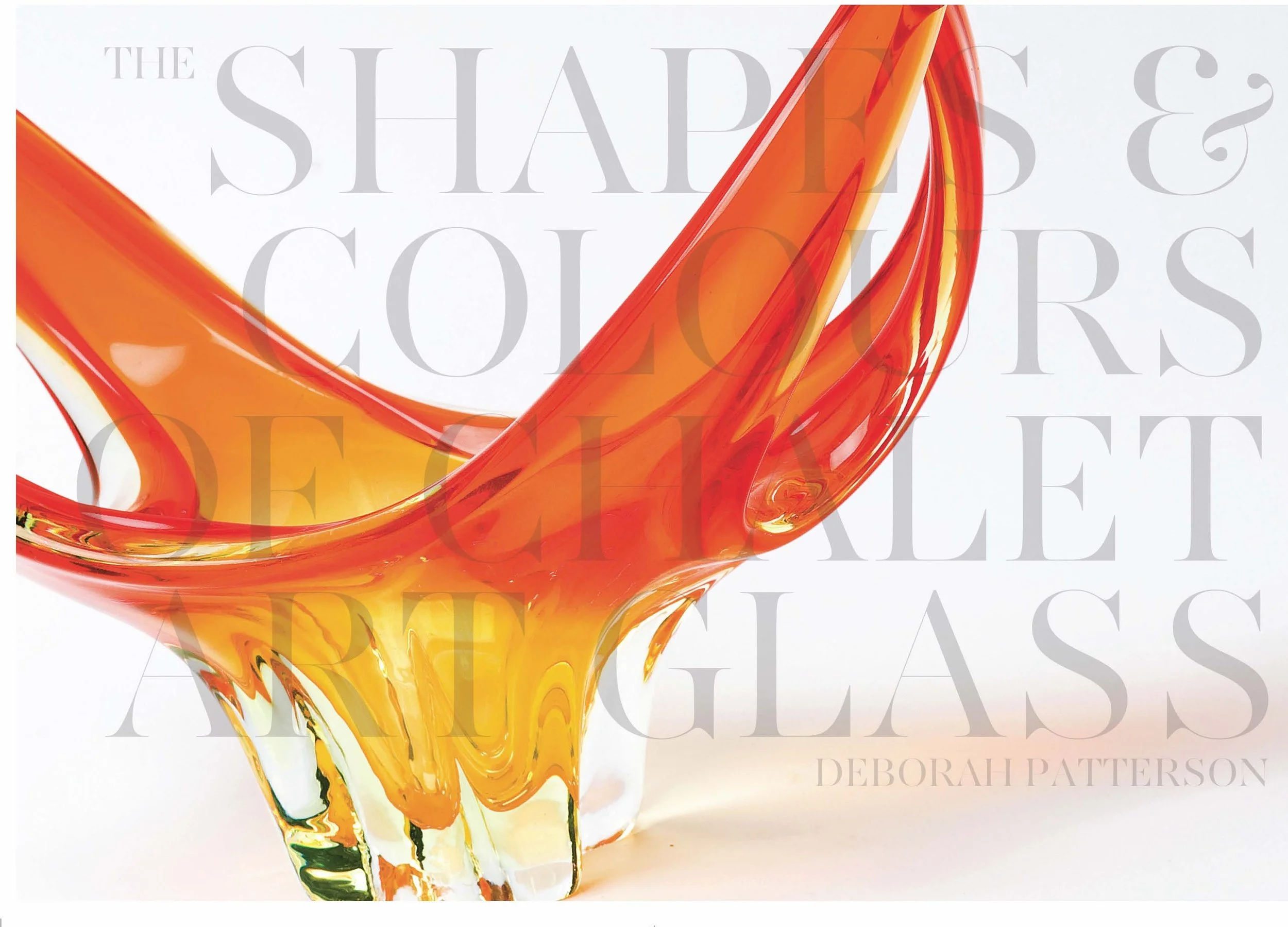
A very special piece. I had this “crossed arms” centerpiece, (which was the cover piece for the 2010 ‘The Shapes and Colours of Chalet Glass’), signed for Alex Wicks by 3 Chalet artists – Gianfranco Guarnieri, and Chalet Maestri Giulio Gatto and Bruno Panizzon.

At left Gianfranco Guarniere, center Guilio Gatto and at right Bruno Panizzon. Cornwall, 2010 studio shoot for “The Shapes and Colours of Chalet Artistic Glass.”
The original markings are wonderful - and telling artefacts.
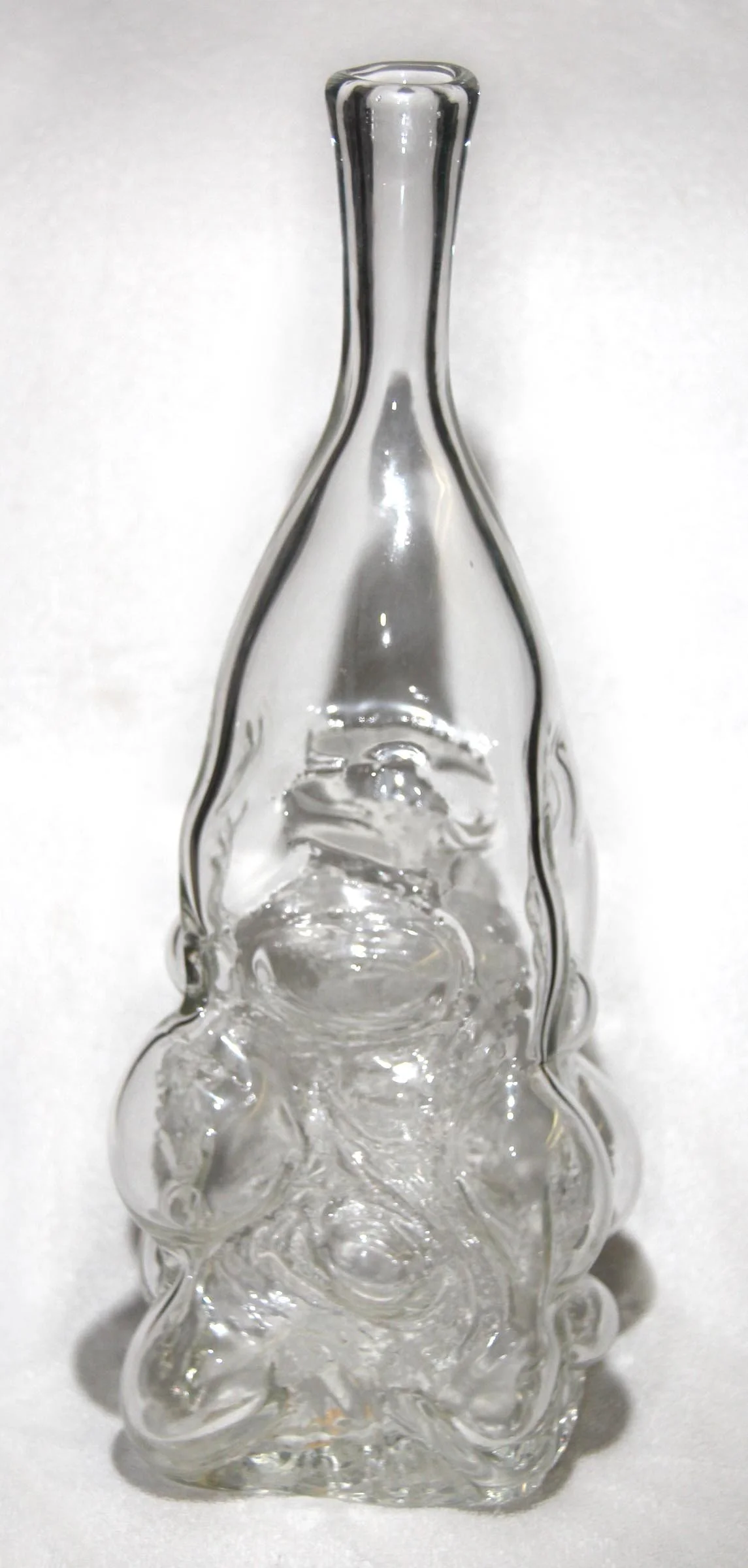
This amazing bottle from Bob Burgess’s “Cave of Wonders.”
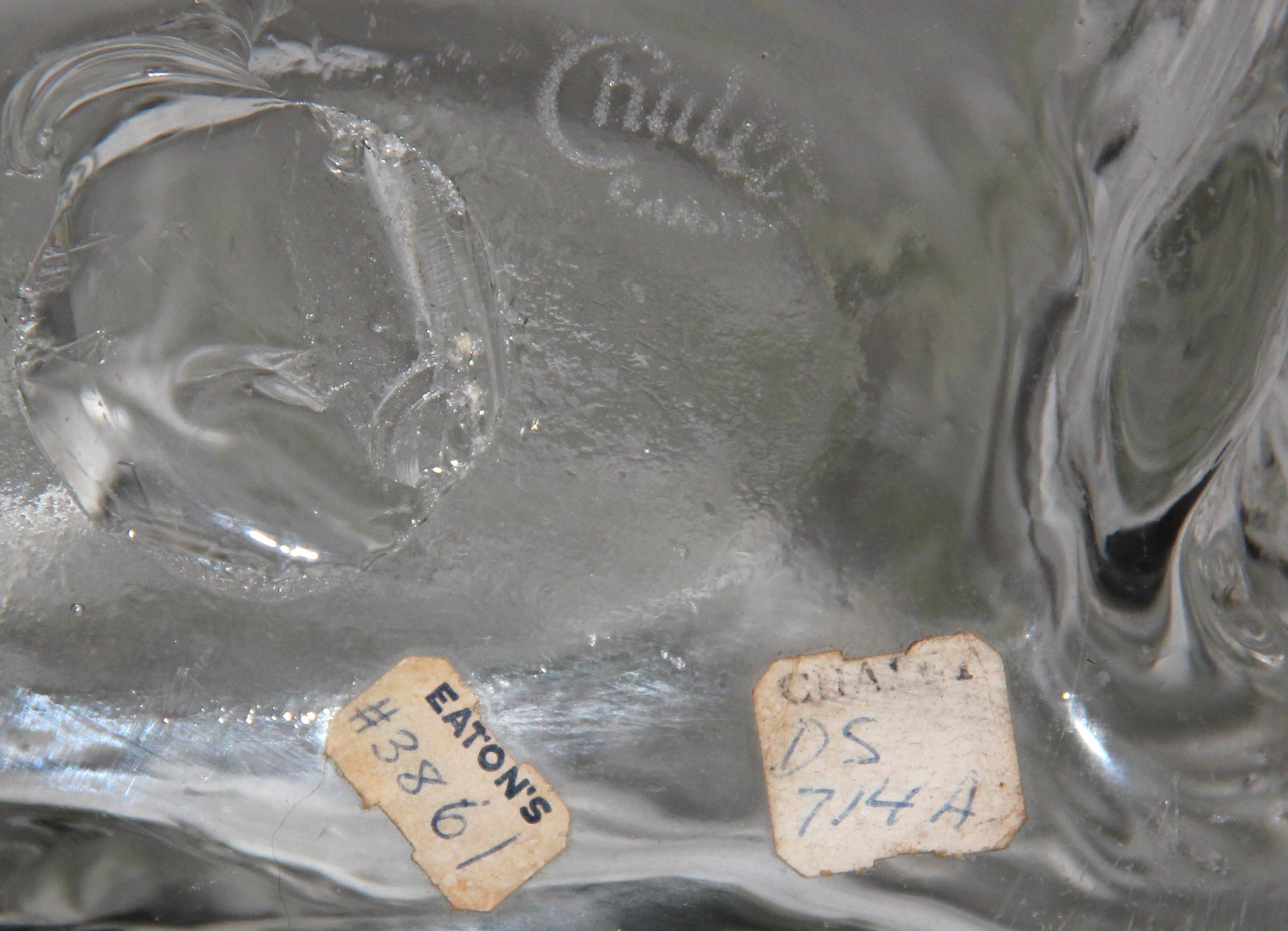
This piece retained some of the most significant Chalet artefacts that we have discovered. Not only more indisputable proof that Eaton’s was a Chalet retailer but also evidence of Chalet’s relationship with American glass blower Don Shepherd.
We are lucky to have historical records – quite a few newspaper articles, photographs, and several documentary film clips.
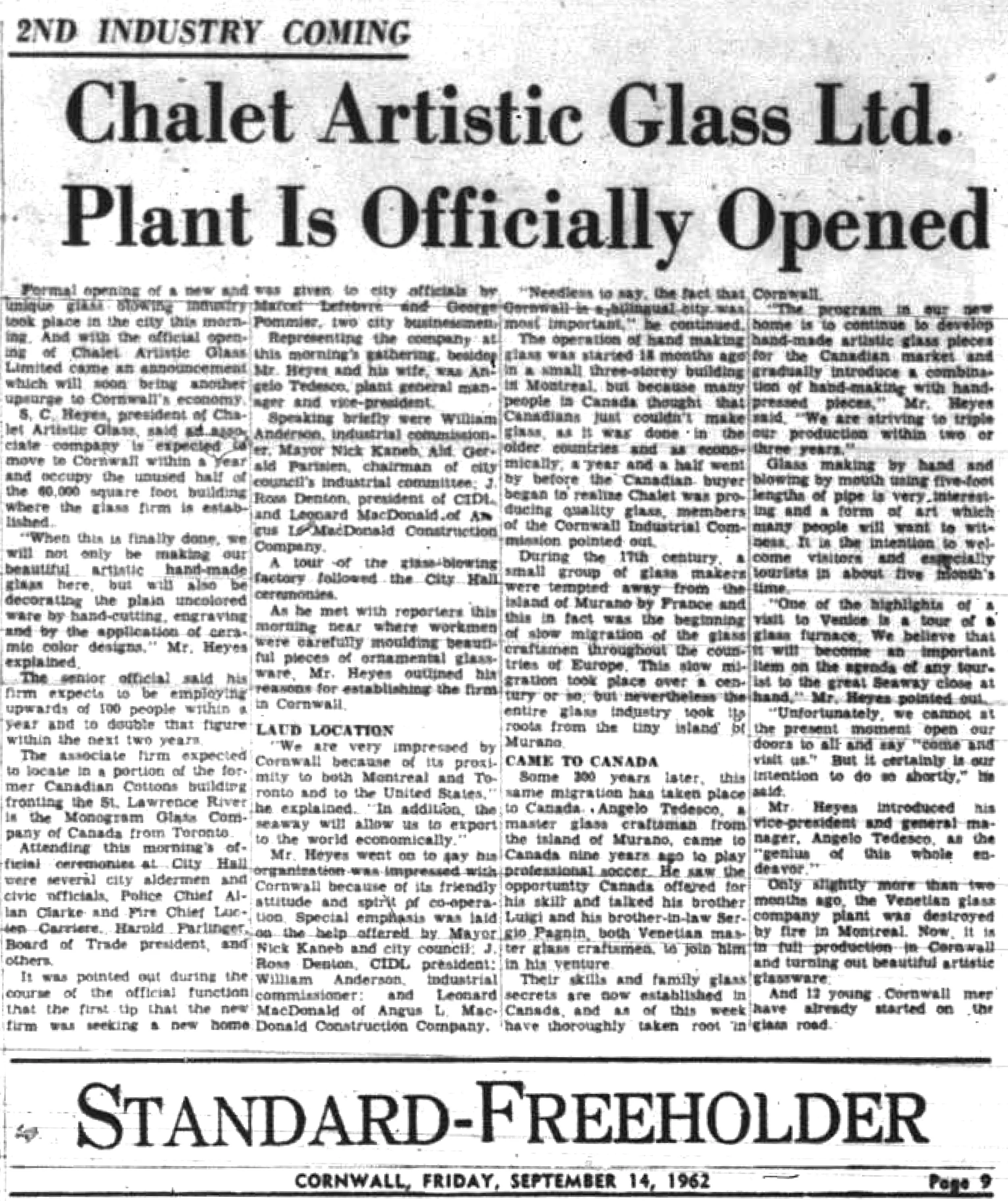
This 1962 coverage in the Cornwall Standard-Freeholder from the archives of the Cornwall Community Museum.
An aerial view of the old Cotton Mills on Harbour Road, Cornwall where Chalet was located.
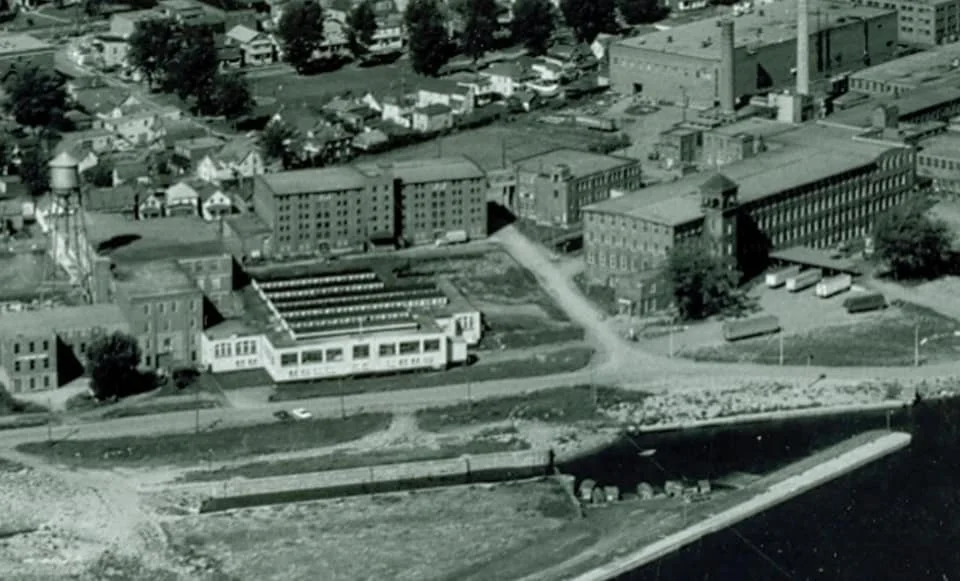
Photograph courtesy of 50 Shades member Paolo De Marchi.
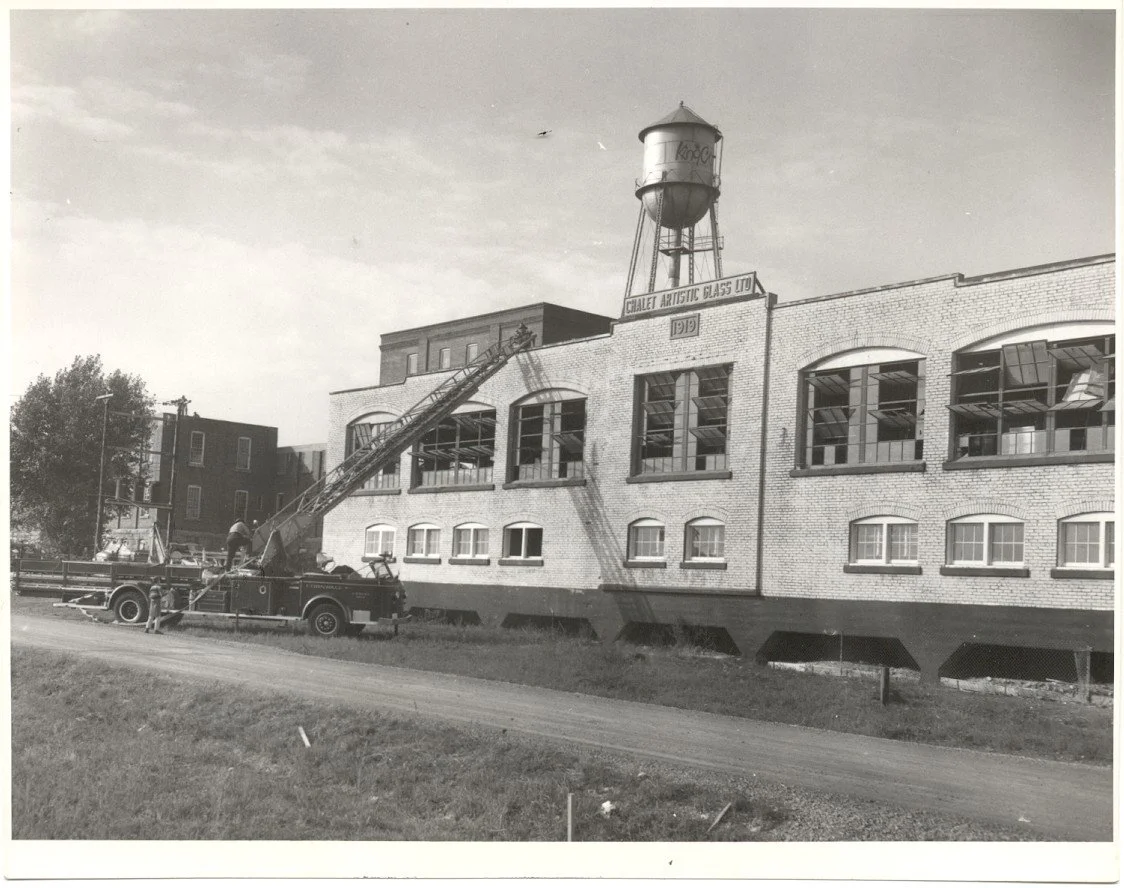
1962. The erection of the Chalet Artistic Glass sign. Photograph from the archives of the Cornwall Community Museum.
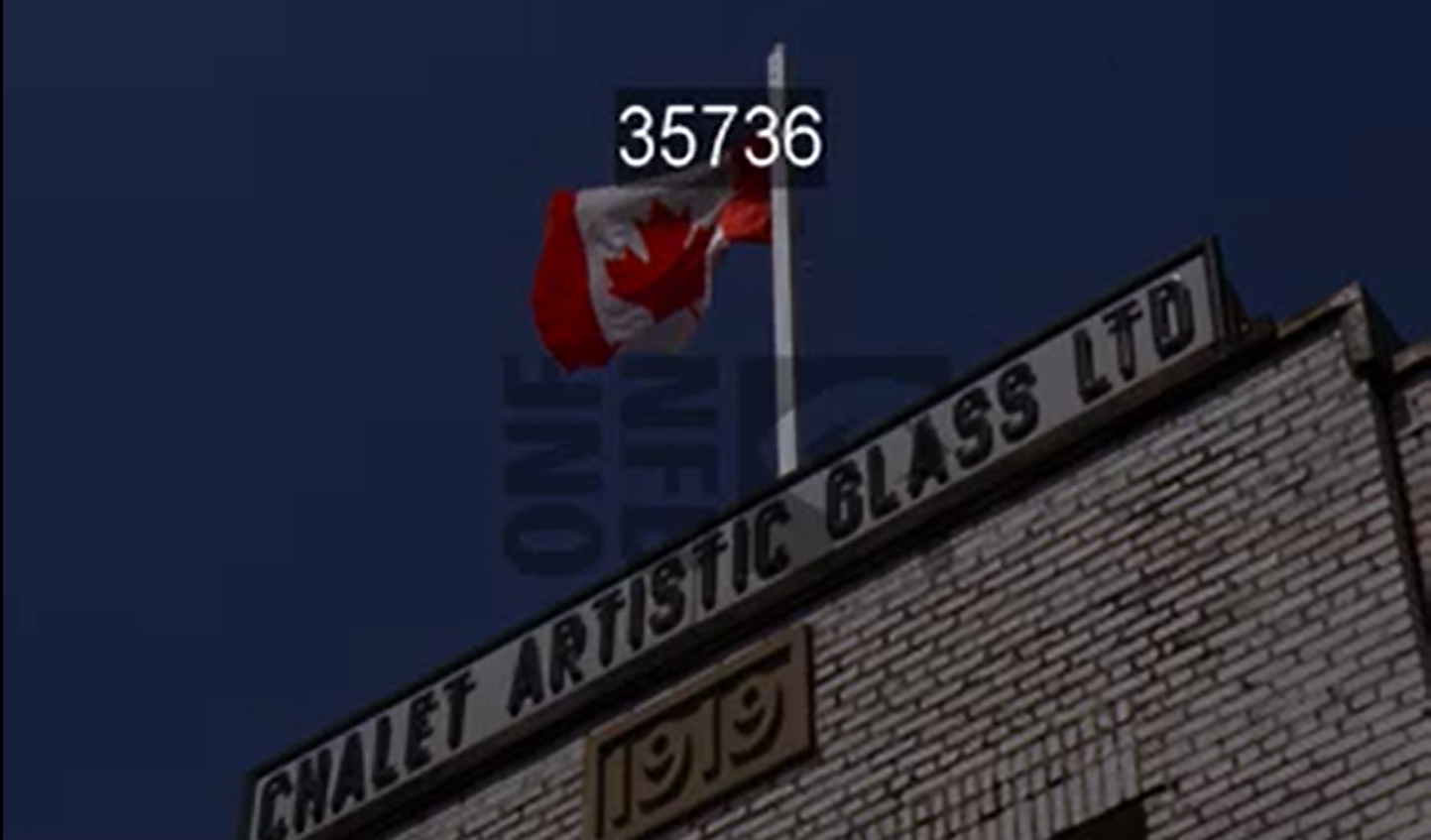
Photograph captured from the 1965 National Film Board documentary “Why Canada.”
Inside Chalet:
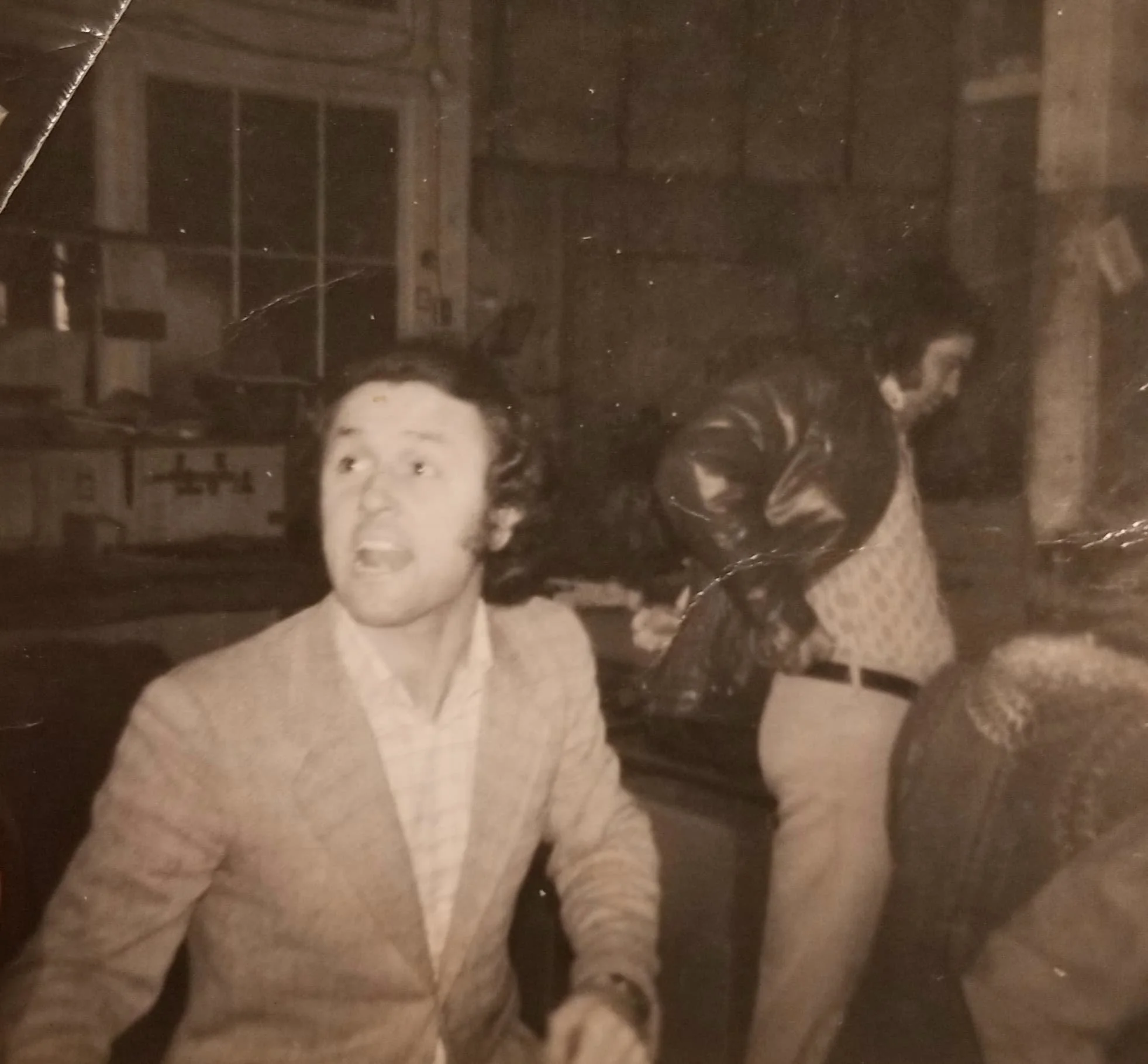
Chalet Maestro Luigi Tedesco (foreground) and his brother-in-law, Paolo Pagnin (background). Taken at the Chalet factory. Date unknown. Photograph courtesy of Paolo De Marchi.
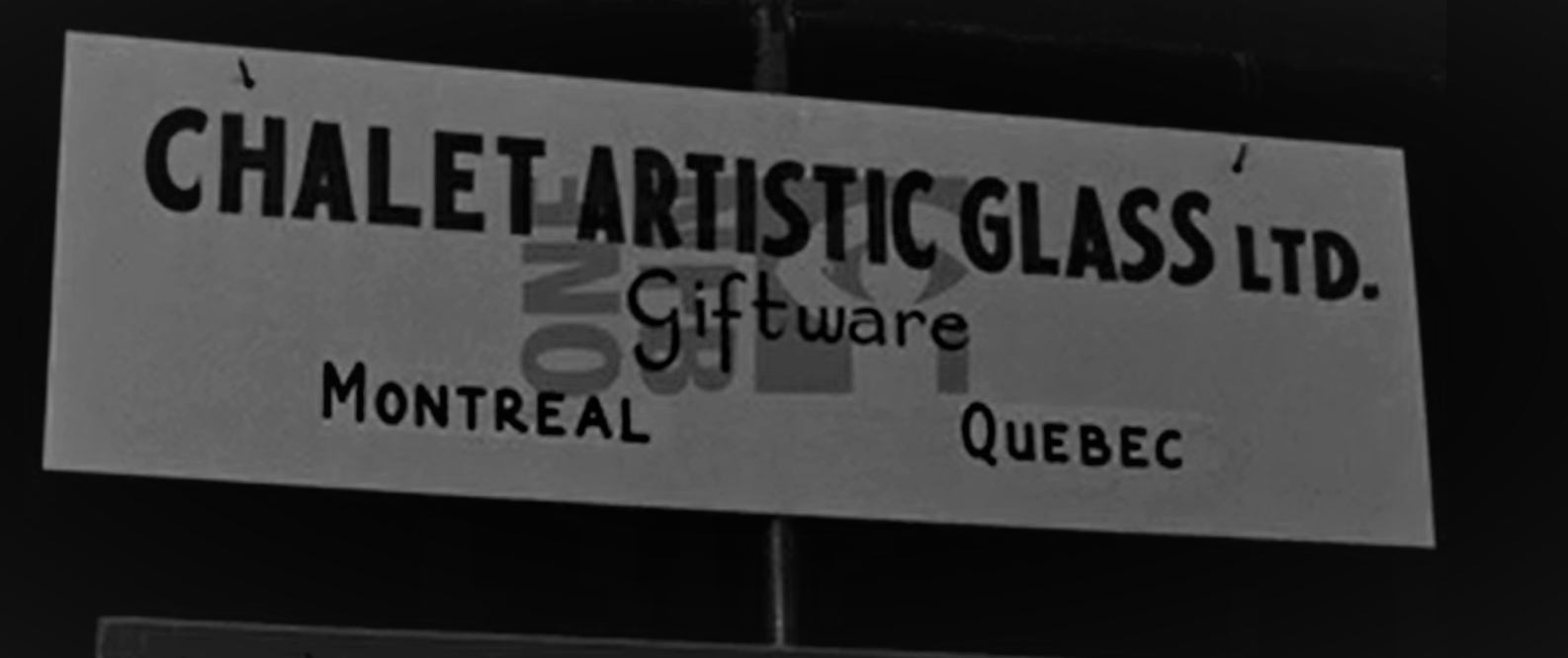
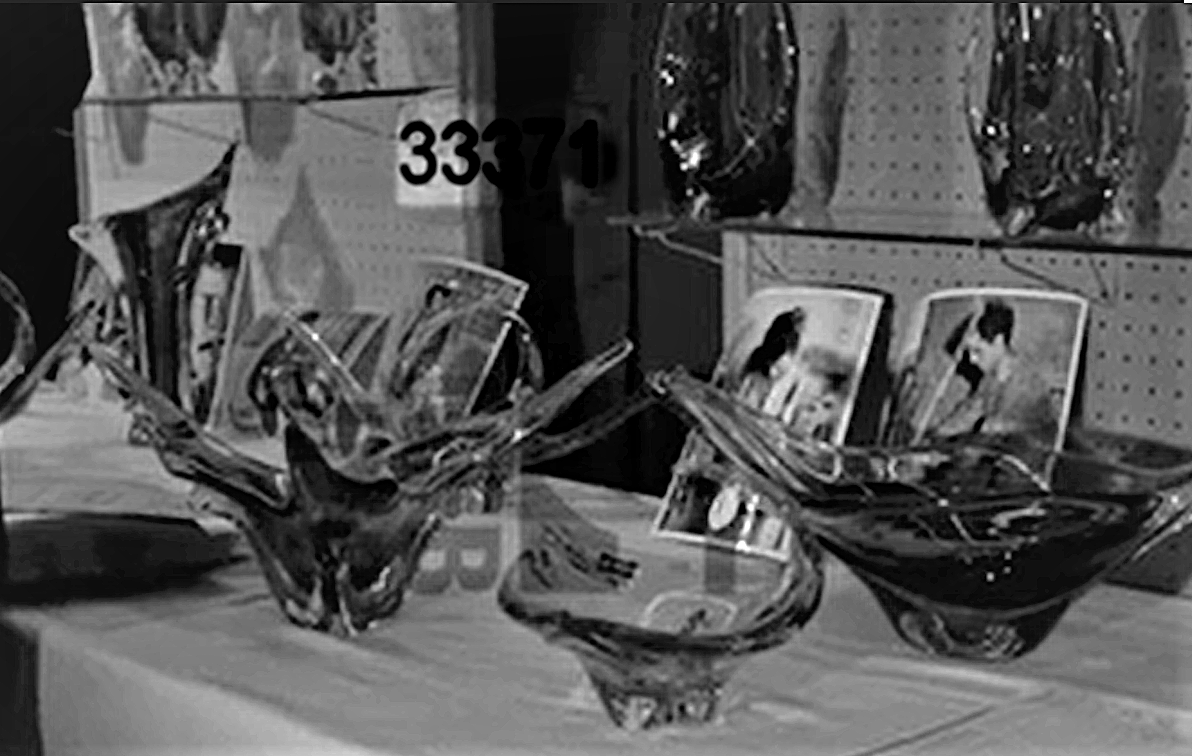
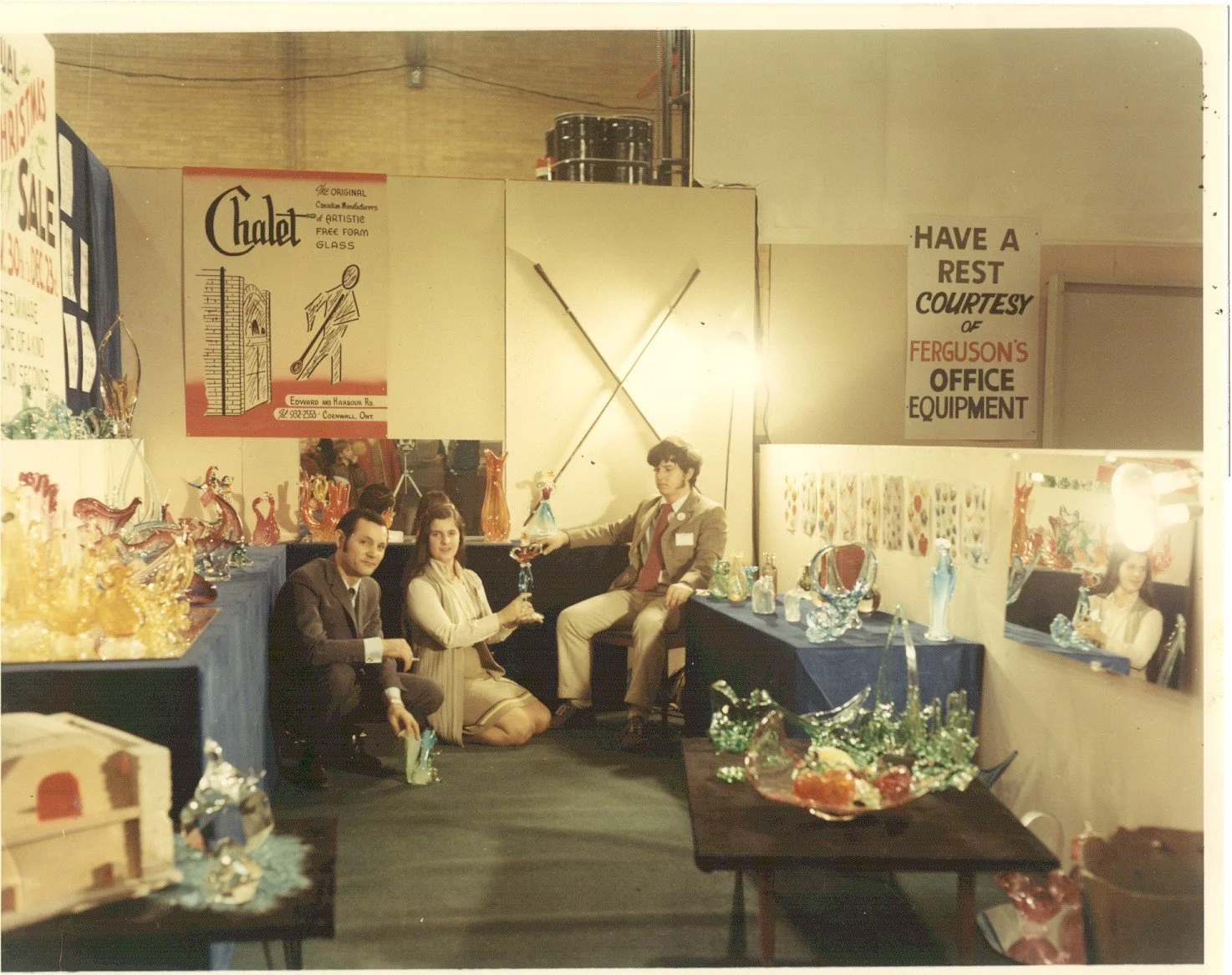
Chalet had a sales office in Montreal as well as the factory and general offices in Cornwall. This signage and glass display was at a Montreal giftware trade show. Date unknown. Photograph captured from the 1971 National Film Board documentary “Here’s Canada.” Note the pictures of Chalet owner and Maestro Luigi Tedesco at right rear of photo on the right. A glimpse into one way Chalet promoted their product. We know that Lorraine Glass industries and EDAG also attended trade shows. Please refer to pages 371 and 419 in “Chalet Crystal Clear Continued” to see a 1964 trade show brochure that features both these companies.
We have learned (from the Chalet owners and artists as well as newspaper articles) that Chalet became quite the tourist attraction. Factory tours were offered several times daily. I spoke to several people at the 2010 Cornwall exhibit “The Art & Artisans of Chalet Glass” who had toured the factory on school trips.
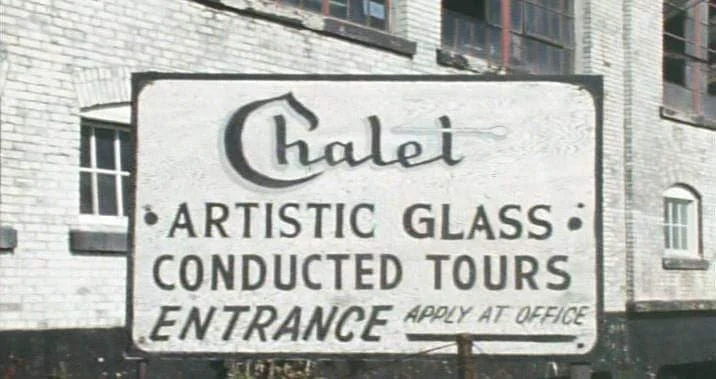
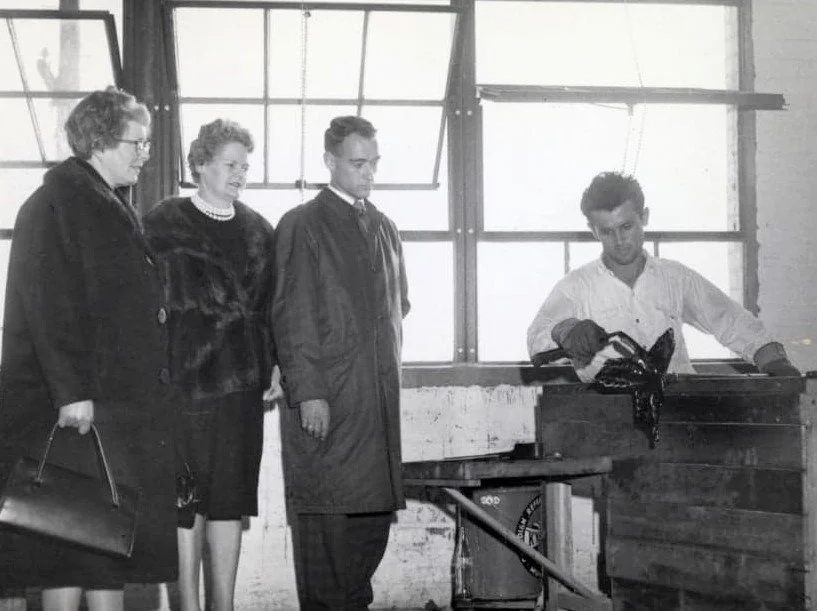
Chalet owner and Maestro Luigi Tedesco demonstrates the art. Date unknown. Photographs from the archives of the Cornwall Community Museum.
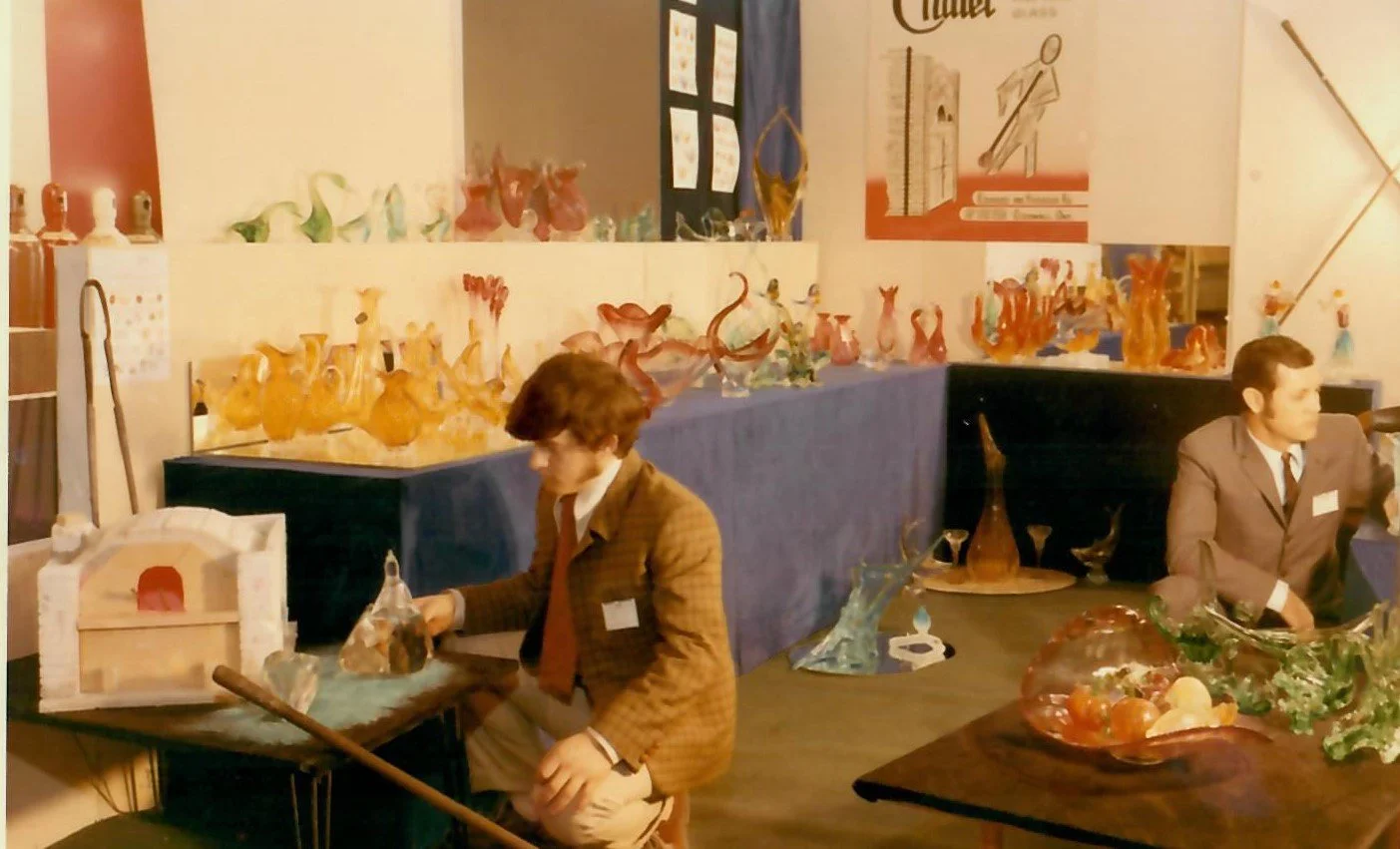
Despite the tours and selling directly at Chalet, the Cornwall plant did not have a fancy showroom. Seen here is Chalet artist Antonio Tedesco with his niece Fiorella Pagnin and his nephew Francesco Pagnin. They are the son and daughter of Chalet owner and Maestro Sergio Pagnin. Examine the glass shown here - many are unique pieces. For example, in the photo at left, there is a Chalet Madonna. Photographs courtesy of Antonio Tedesco.
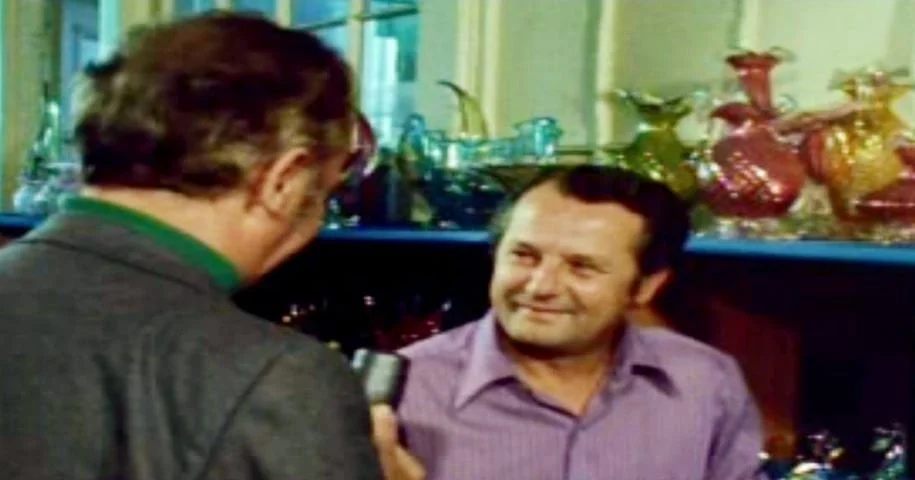
Photograph of Chalet owner Angelo Tedesco in the showroom during the 1971 National Film Board documentary of “Here’s Canada”.
The success of Chalet Artistic Glass was important to not only Cornwall but to both the Ontario provincial government and the Canadian federal government. The company received widespread and ongoing newspaper coverage and attention. As well, Chalet was featured in 2 National Film Board documentaries. The Ontario government also featured Chalet in the film “A Place to Stand” which was produced for ‘Expo ’67.
Chalet artists, in order of appearance, seen on the factory floor (1966) at Chalet in this National Film board documentary film clip are Antonio Nichetto, Luigino Fornasieri, Chalet owner Maestro Sergio Pagnin and Maestro Bruno Panizzon. Film clip courtesy of Mario Panizzon.
Chalet was well known and popular enough to be used as an advertised prize by Mobil and Odeon Cinemas in Montreal on a popular radio station. I love this particular artefact!
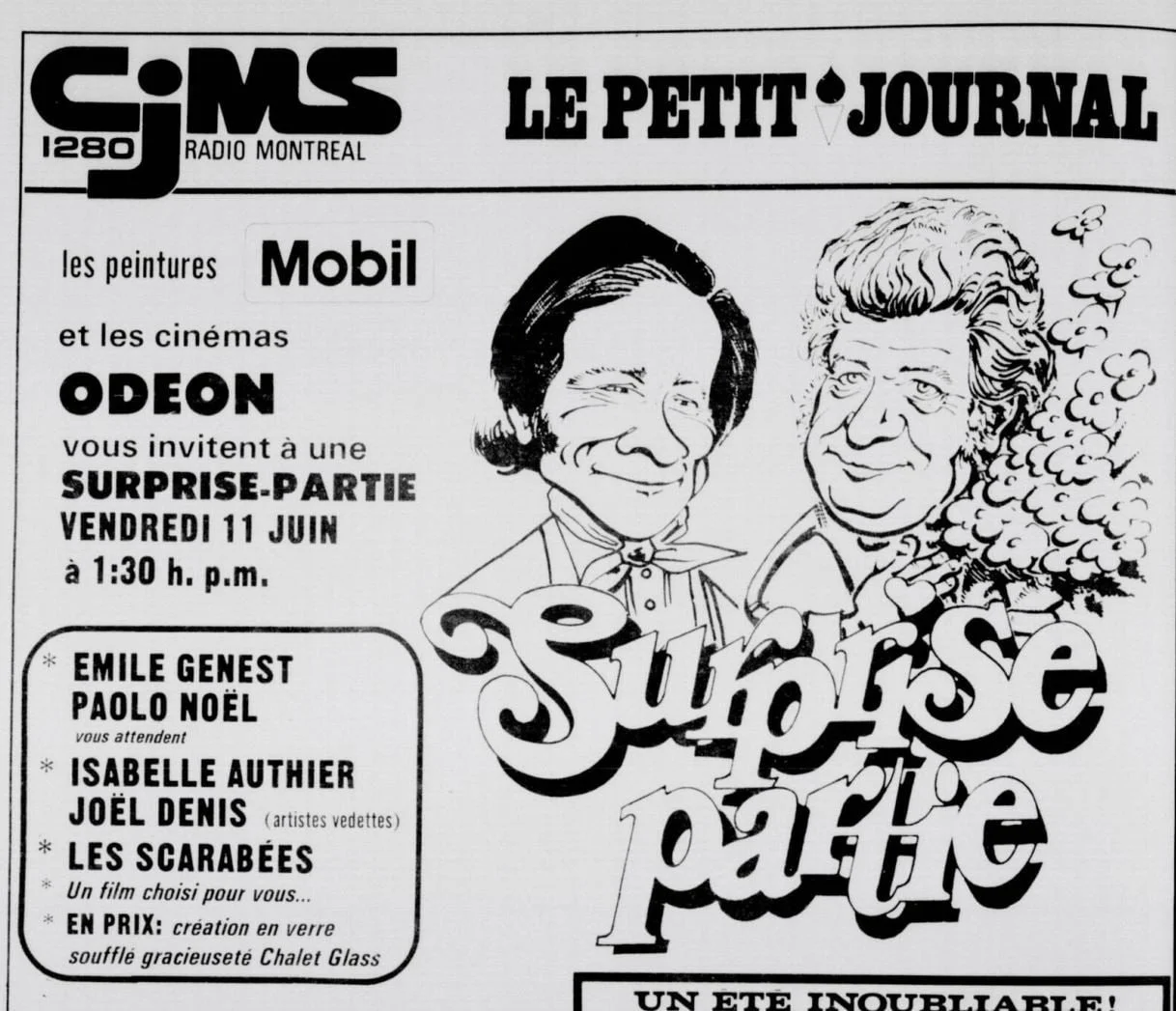
Photograph courtesy of Mario Panizzon.
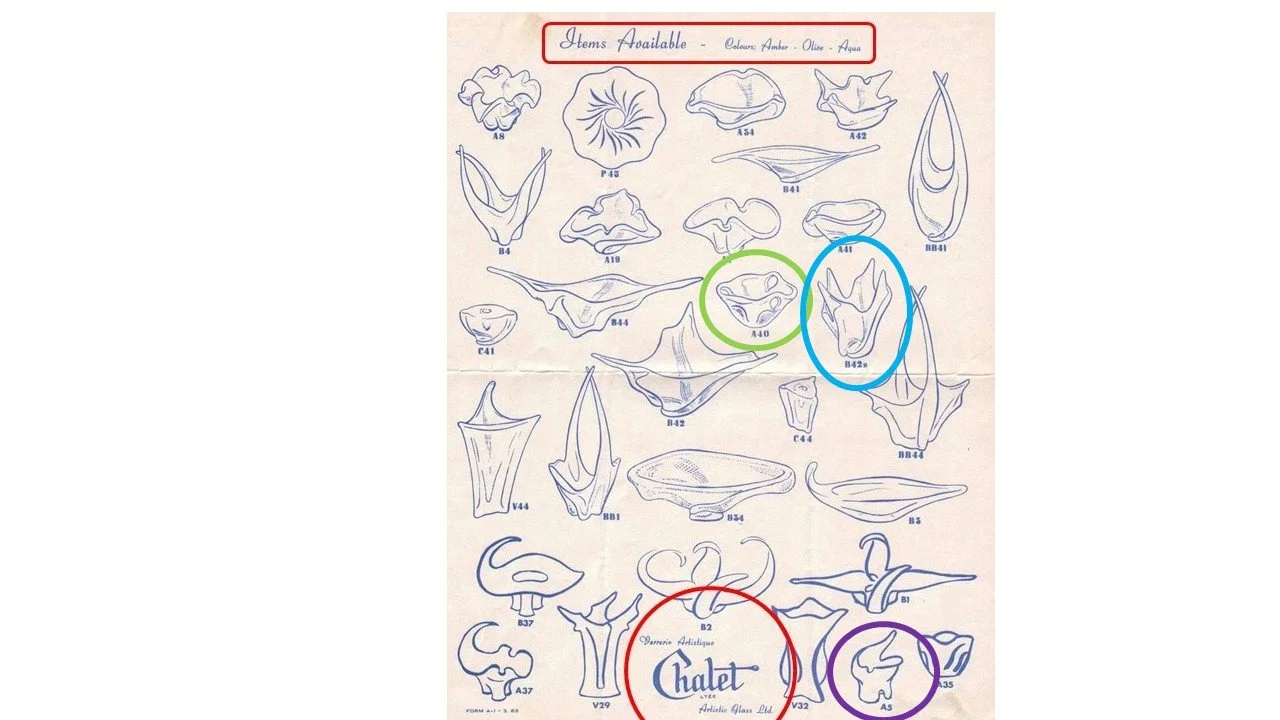
We are fortunate enough to have a few original Chalet catalogue pages. These have given us valuable insight into production, marketing and design. The earliest “Items Available” is a great example.
What does this particular artefact tell us? Several things actually – firstly, that when Chalet Artistic Glass first began operation in Cornwall in the September of 1962, the glass was produced in only 3 colours. See red circles. Secondly, we see pieces on it that were not carried forward into future production. See A40 circled in green. Thirdly, we see pieces on it tthat we have found with many different Chalet brandings – labels, engravings, etchings. See the Chalet “finger” cigar bowl (A5 in purple) for just one example. Lastly, by comparing this page to later Chalet catalogue pages (at right), we see evolution in design. See the iconic Chalet “splash” (B 42) in blue. For complete details regarding Chalet brandings, lines, distribution and catalogue pages, please refer to “Chalet Crystal Clear Continued.”
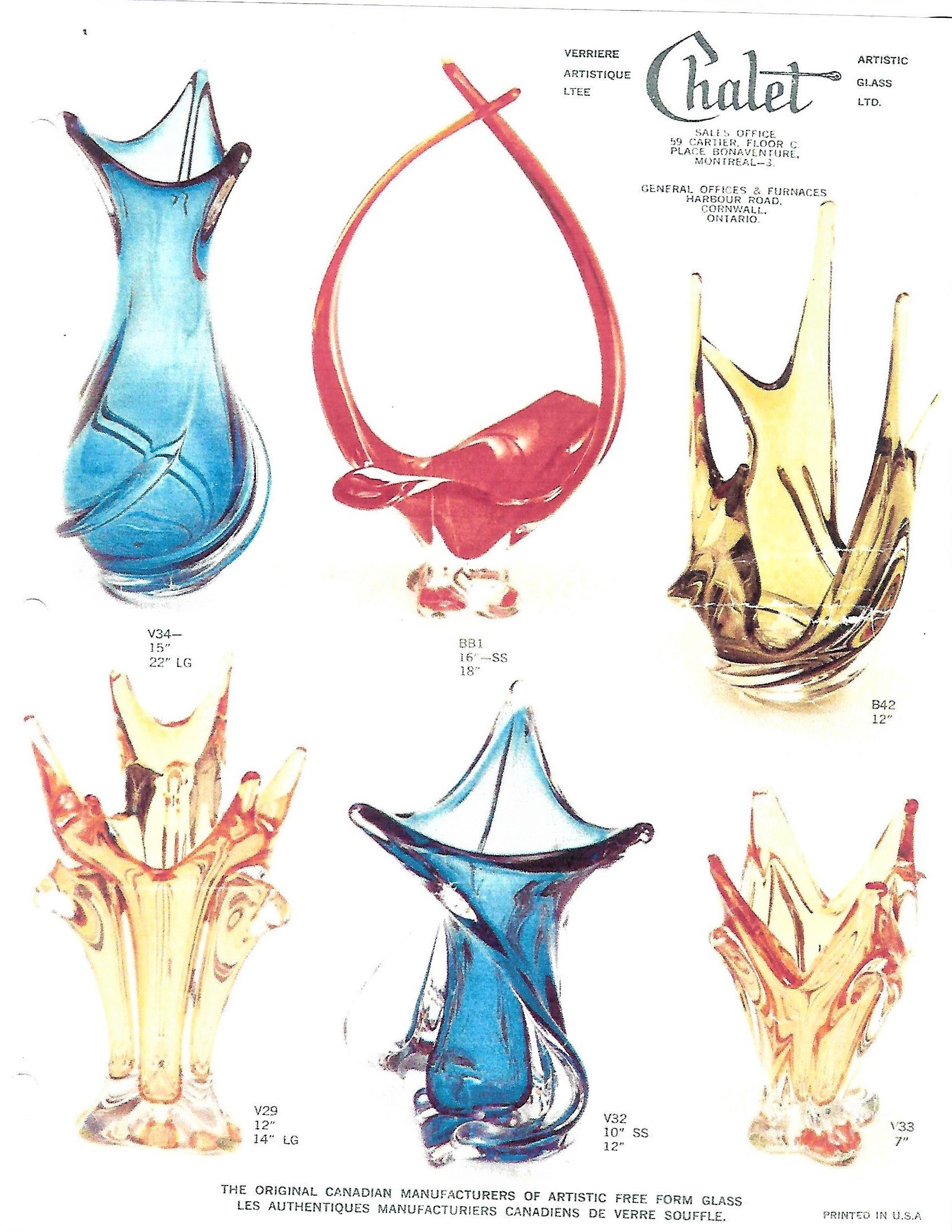
A later Chalet catalogue page.
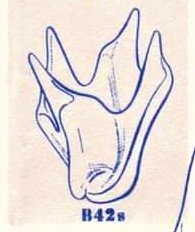
These catalogue page artefacts show us evolution in Chalet design.
We know that Chalet distributed their product many ways .
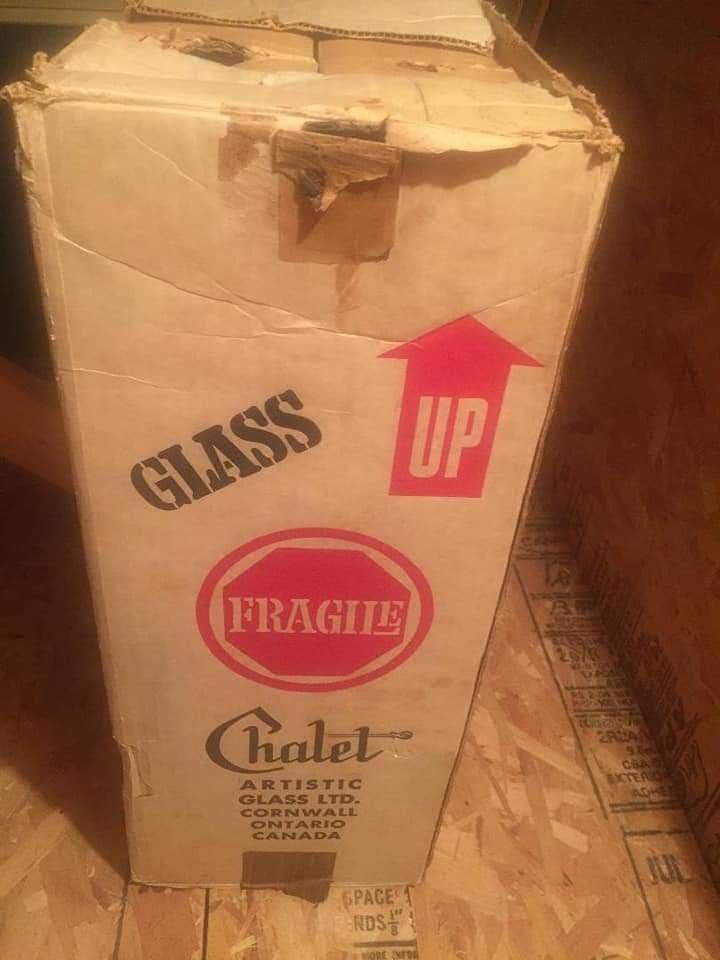
Chalet was retailed through large and small chain stores, by catalogue stores, through many distributors, at the Chalet factory and through ‘Mom and Pop” retailers such as gift and jewelry stores, motels … When the glass was shipped, not personally delivered by Chalet owner Angelo Tedesco in his Cadalliac, it’s likely that retailers like this motel in northern Ontario got their Chalet delivered in a box like this one.
Photograph courtesy of Roy Prins.
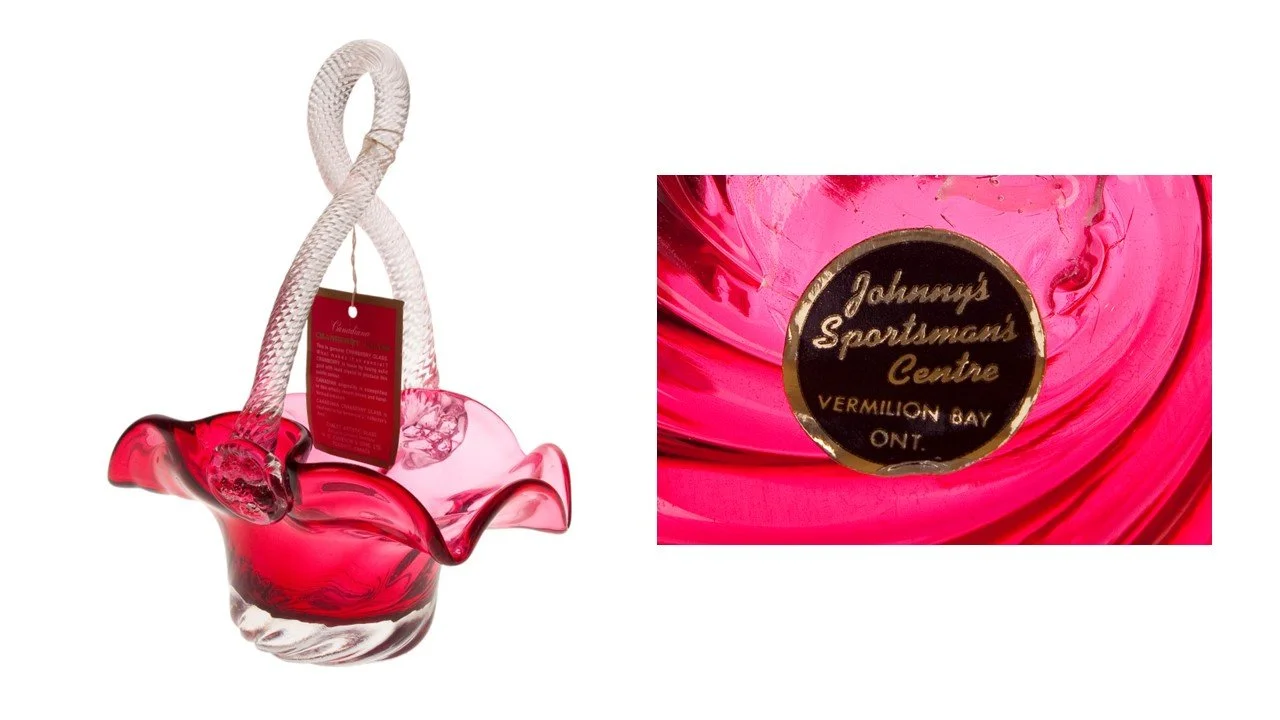
This piece is a very significant artefact. Firstly, in and of itself. Secondly it retains its original Chalet branding - the Chalet “Canadiana Cranberry” hang tag. Lastly, it retains a retailer’s sticker. We see very few pieces that still have this type of marking. for more examples, please refer to pages 252-257 regarding boutique labels found on Chalet pieces and page 420 for photographs of exceedingly rare Lorraine Glass Industries examples.
Chalet advertising is fascinating in so may ways. As an historical artefact, it illuminates some of the ‘who, where and how’ of production and distribution through providing historical context and verifying details that we have been told by the Chalet artists.
For example, this one little company ad (directly following) verifies that Chalet sold directly to the public from the factory, that they did produce “one of a kind” pieces, that certain designs were discontinued and that those pieces that were not up to quality standards were deemed inferior and sold as “seconds.” Artefacts such as these are further and indisputable proof of anecdotal evidence and debunk myths, personal theories and misinformation.
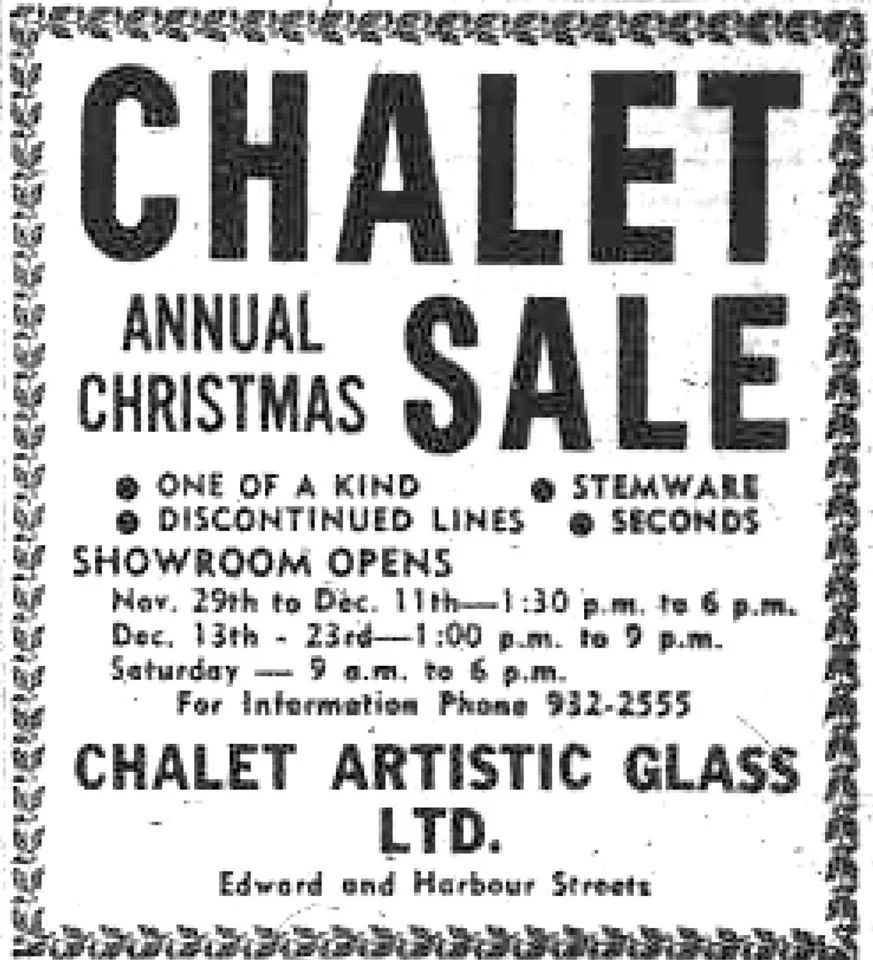
December 21, 1971. Cornwall Standard-Freeholder. From the archives of the Cornwall Community Museum.
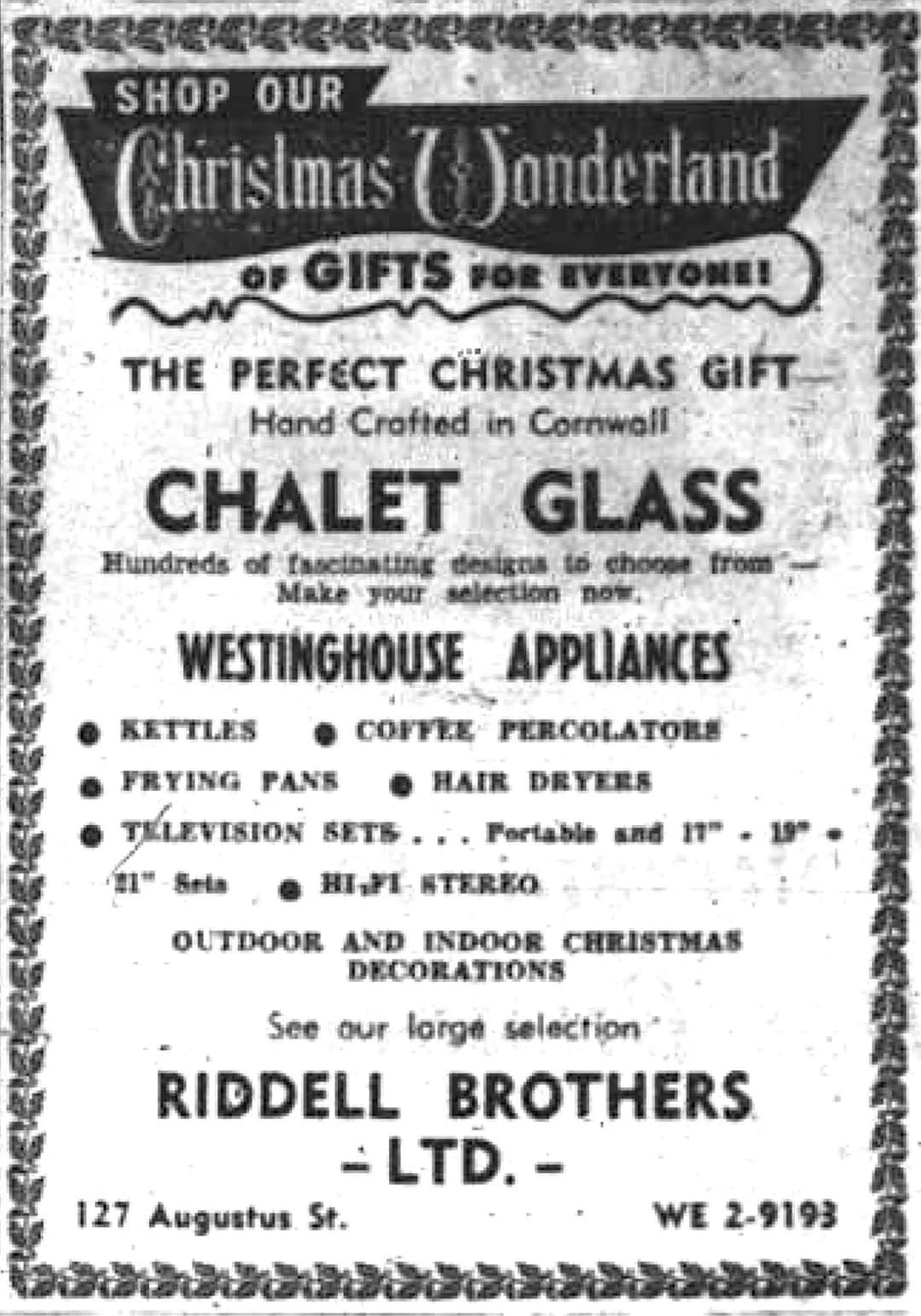
A local Cornwall ‘Mom and Pop’ reseller. In person shopping. From the archives of the Cornwall Community Museum.
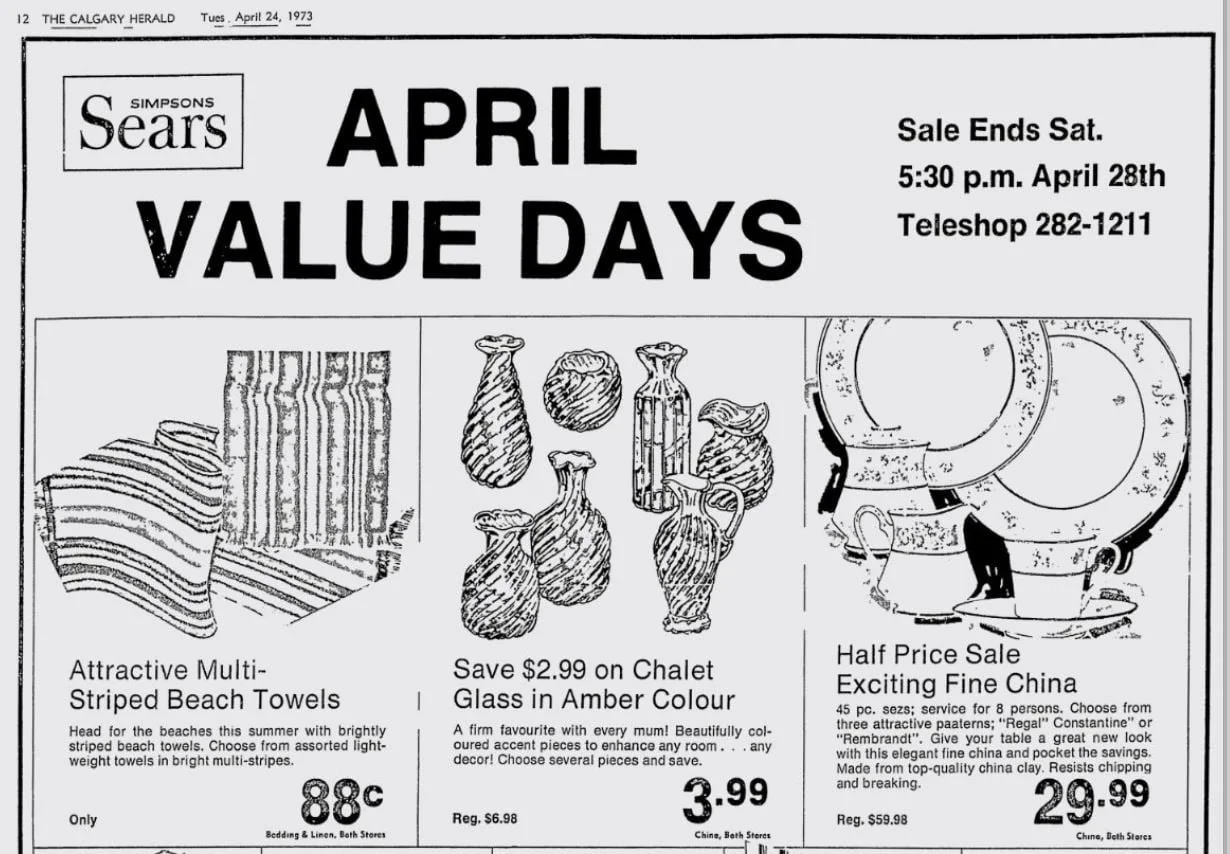
A national chain store. Catalogue shopping. Yesterday’s $3.99 translates to approximately $24.04 today. Advertisement courtesy of Mario Panizzon.
The 1968 telephone listing for Chalet Artistic Glass in a City of Cornwall Bell Canada directory.
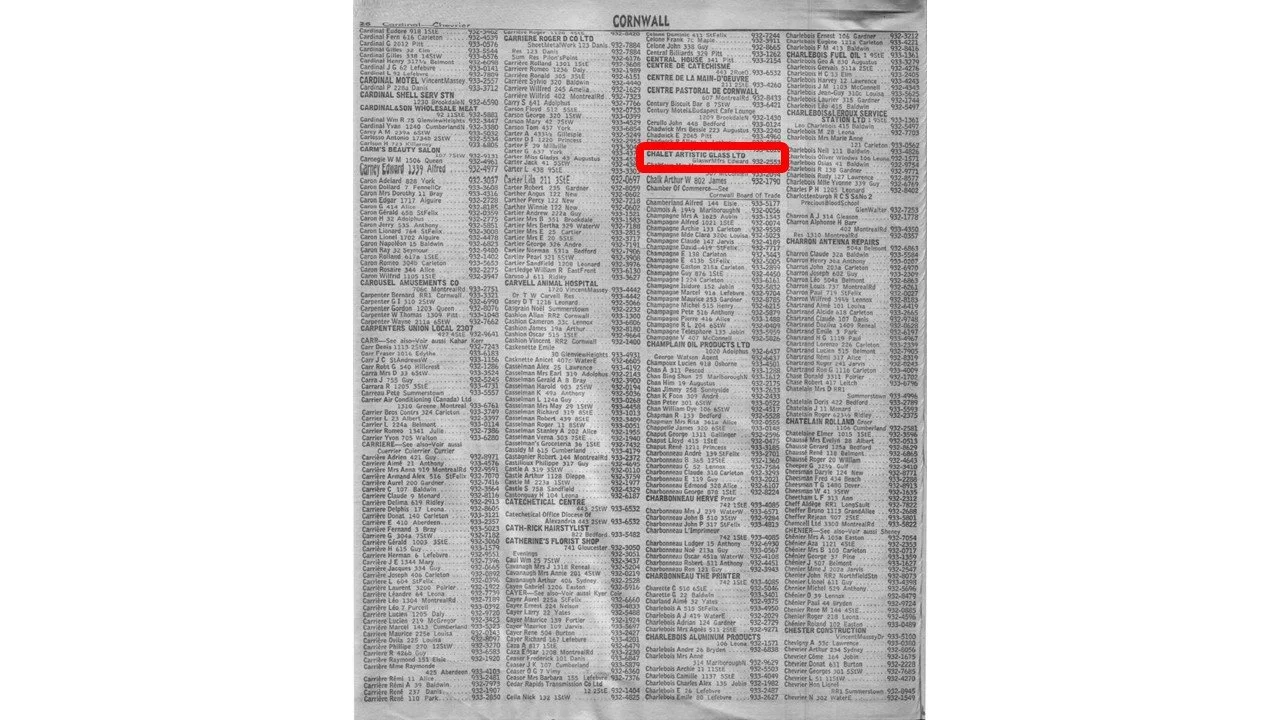
Note that the telephone number here is the same that is referenced in the Chalet company poster that follows below and the company Christmas sale ad shown earlier. Photo of directory listing courtesy of Klaudia Oschmjansky.
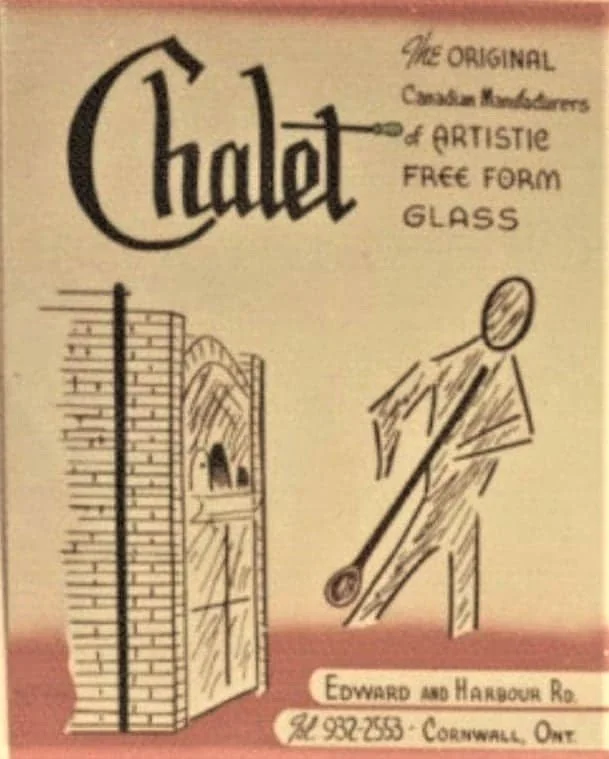
Another of my favourite artefacts.
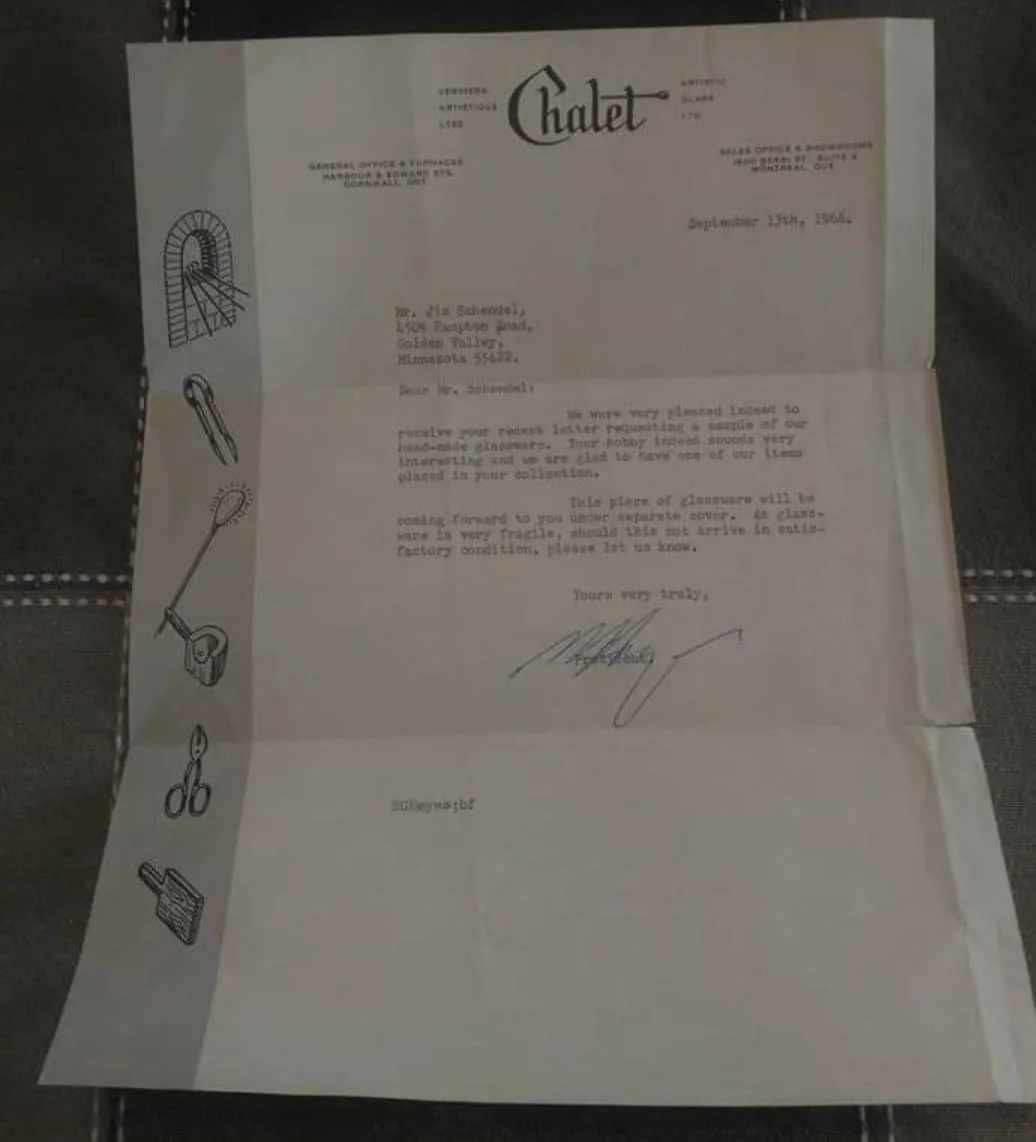
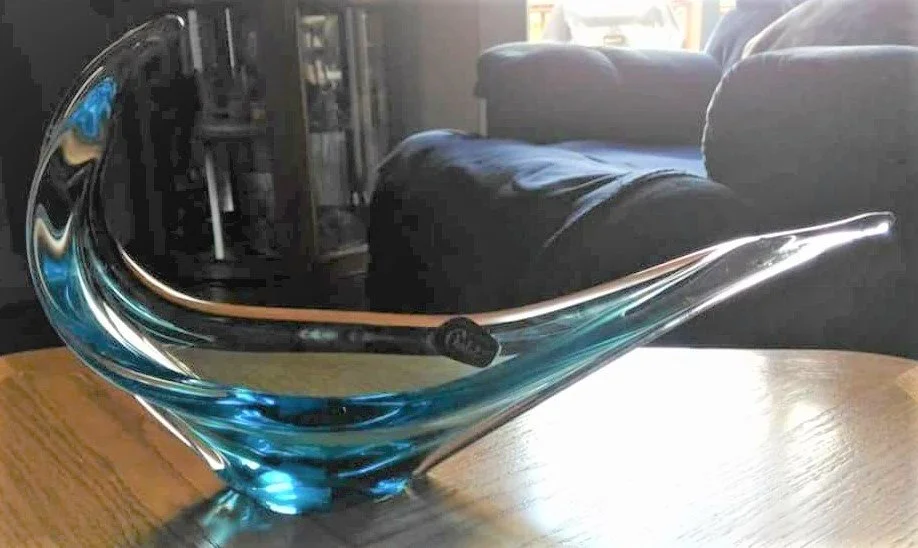
And from the amazing ollection of Kevin and John Hall – two most astounding artefacts.
A letter from Chalet President, Sid Heyes, to a collector! And the actual piece that was purchased by this collector.
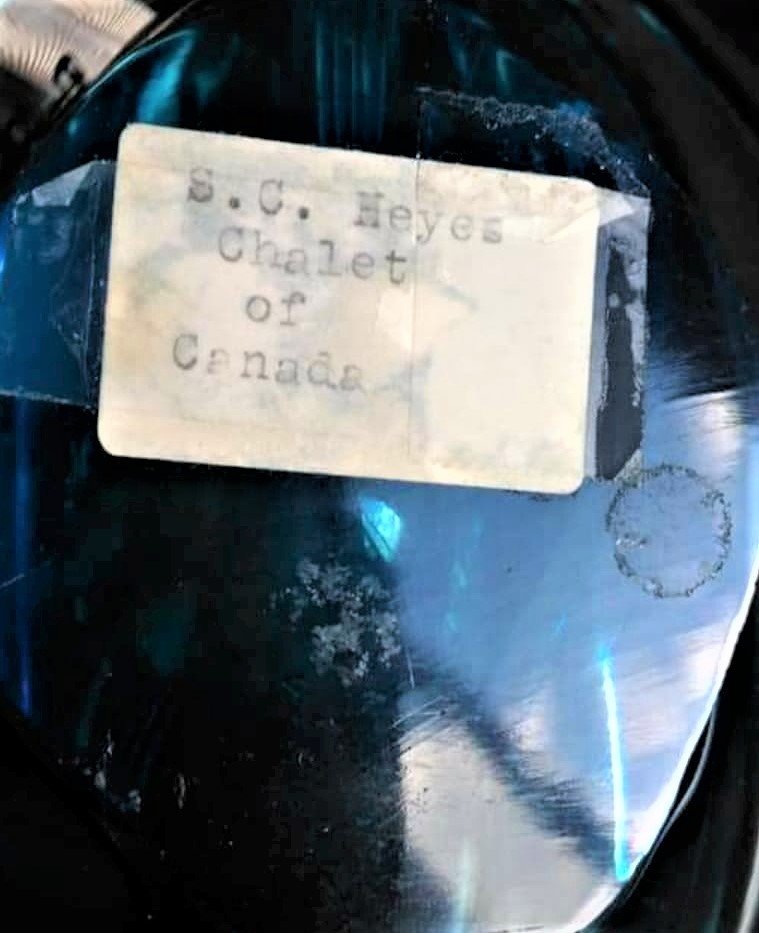
The ultimate “blast from the past.”
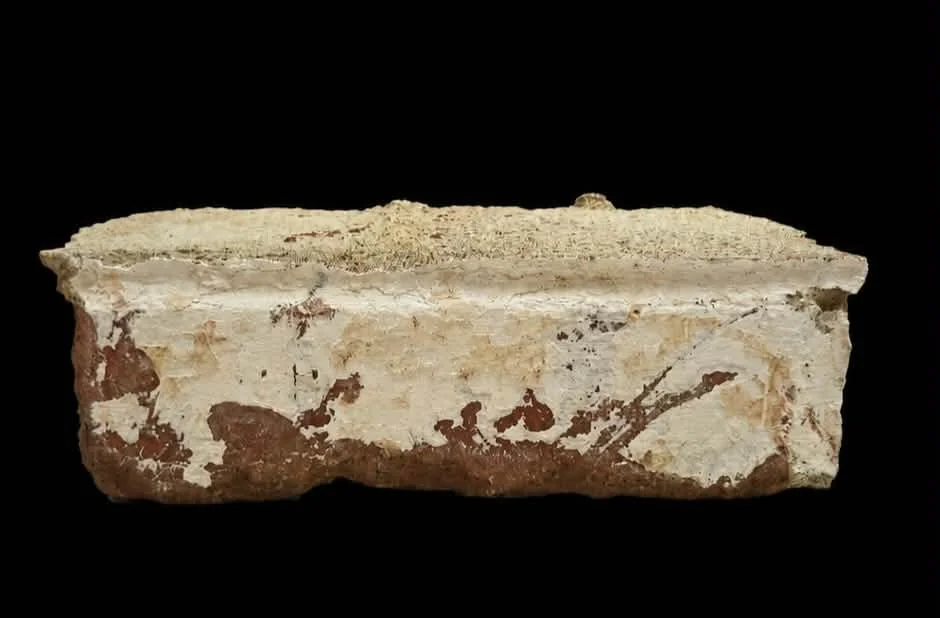
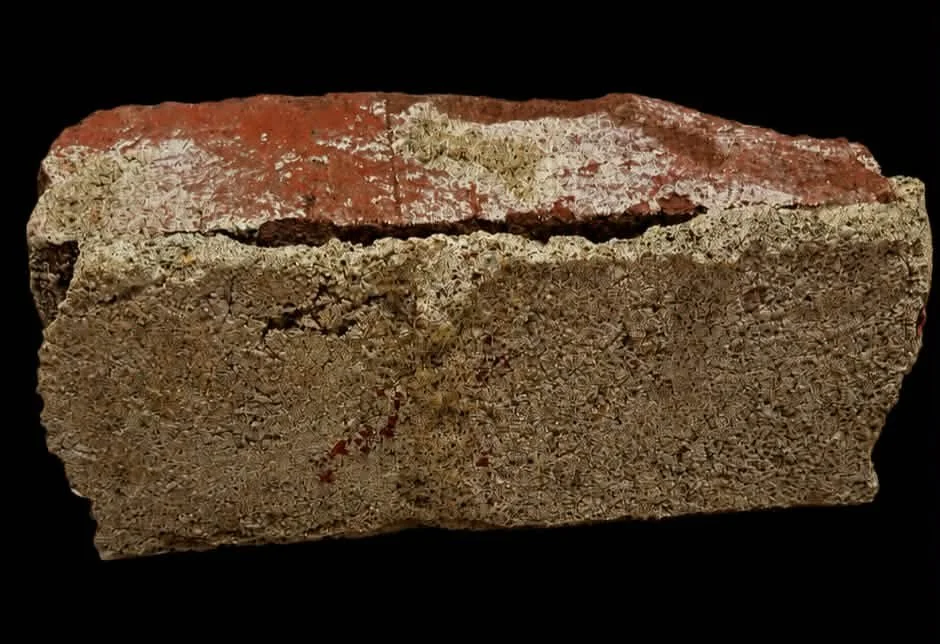
A brick from the site where the Chalet factory once operated. 50 Shades members Geoffrey Chown and David Dunkley had gotten a brick from the old site years ago so I just had to have one too!
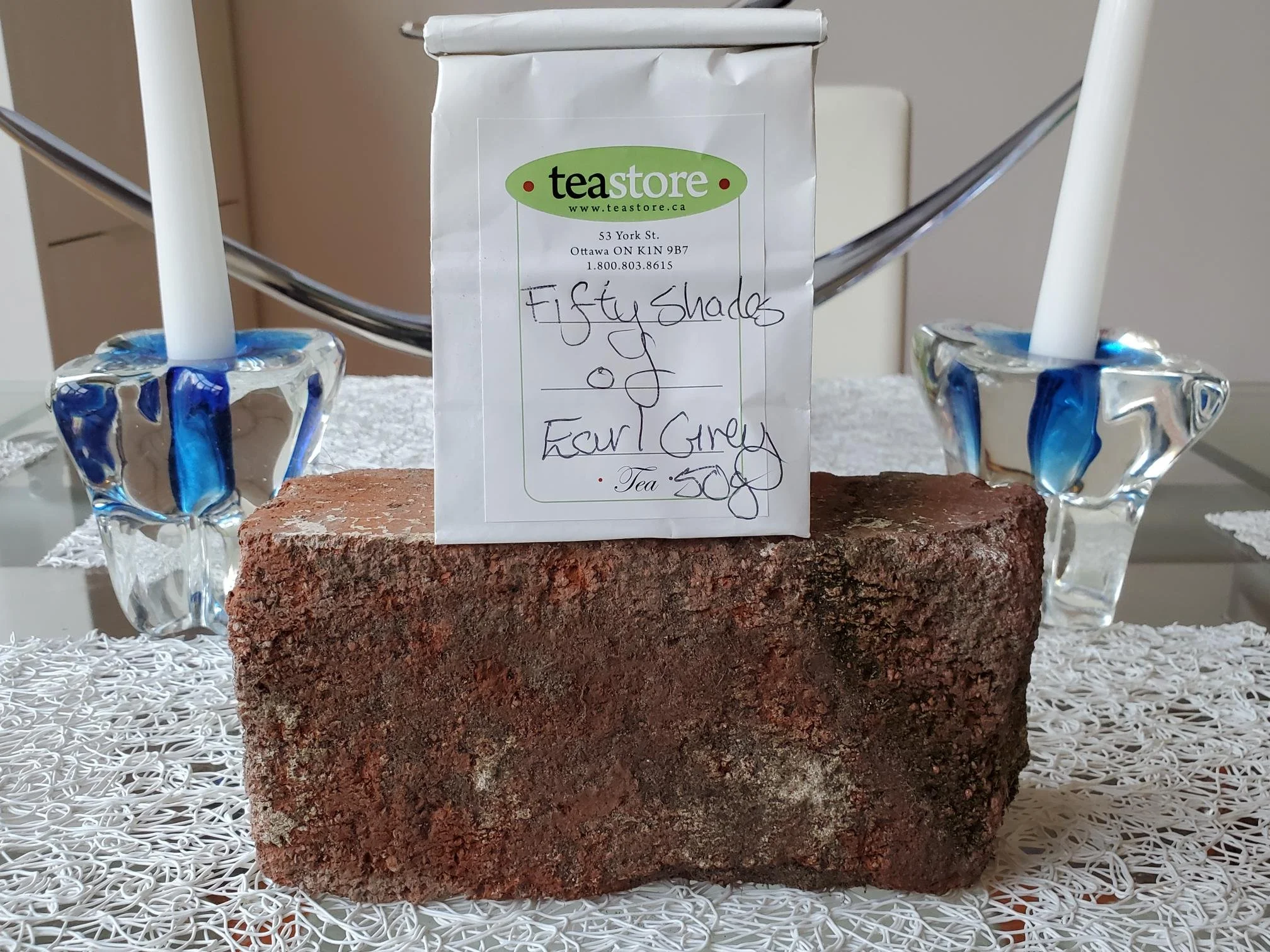
On a September 12, 2021 visit to Cornwall, Paolo De Marchi (son of Chalet artist Roberto De Marchi), crawled under the chain link fence surrounding the old Chalet factory site to get this for me. Talk about “hunting in the Wild!”
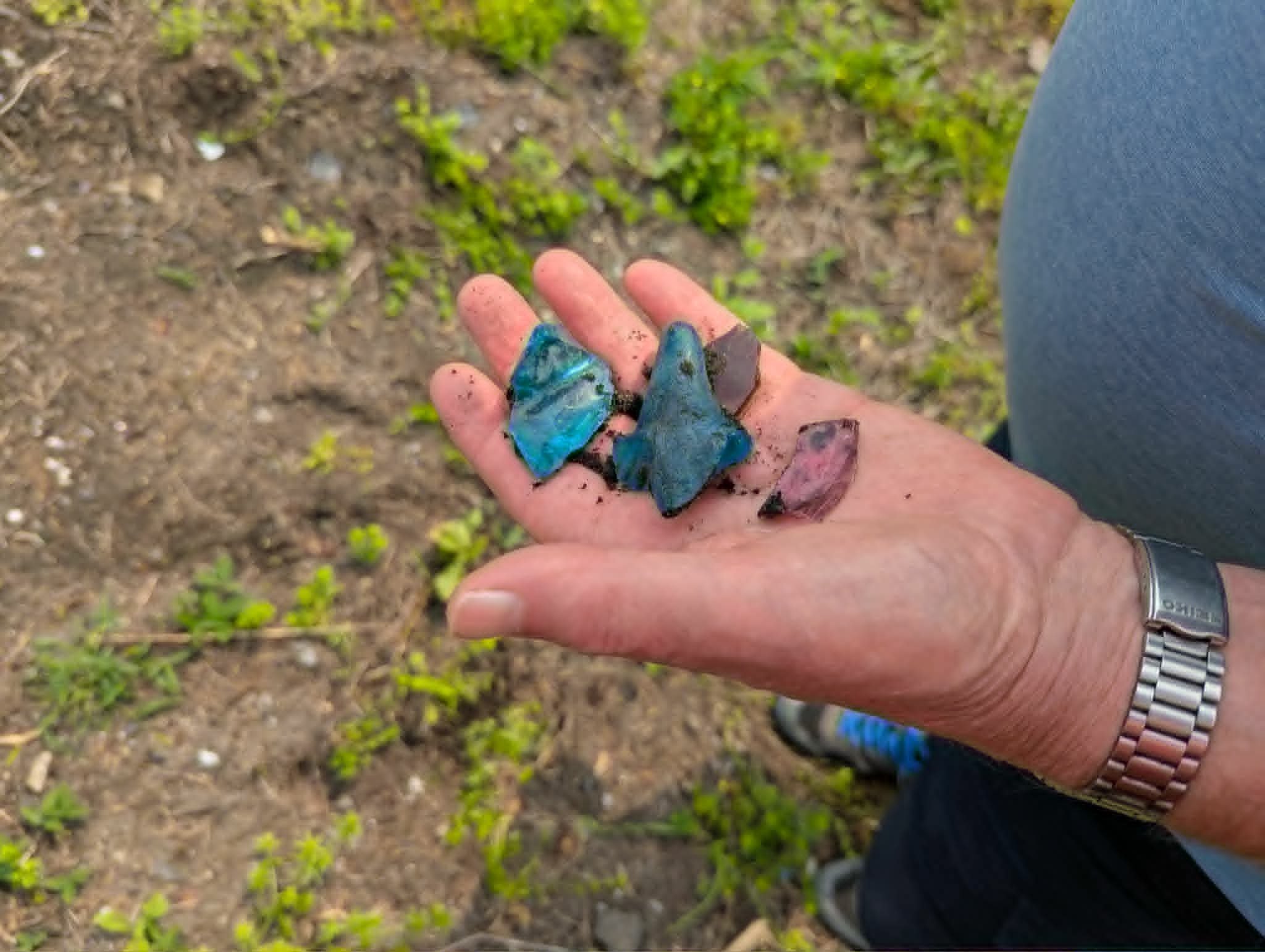
And the “Chalet brick club” is growing! On Saturday, August 15th, 2026, Kevin and John Hall (Chalet collectors extraordinaire - see above) visited Cornwall. Not only did they get a brick, they found shards of glass from the old disposal chute!
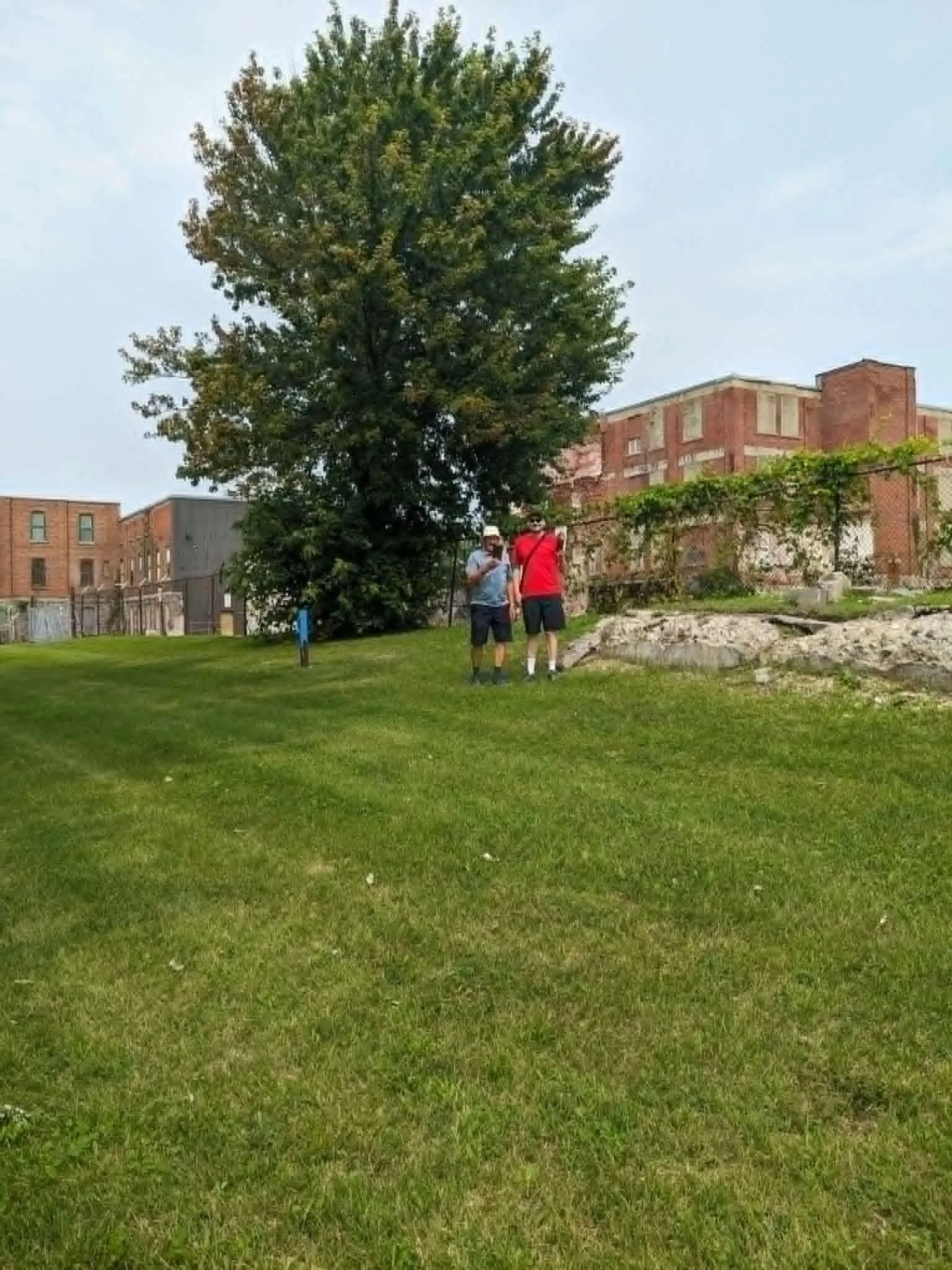
Kevin and John Hall visiting the Chalet factory site. Cornwall, August 15, 2026.
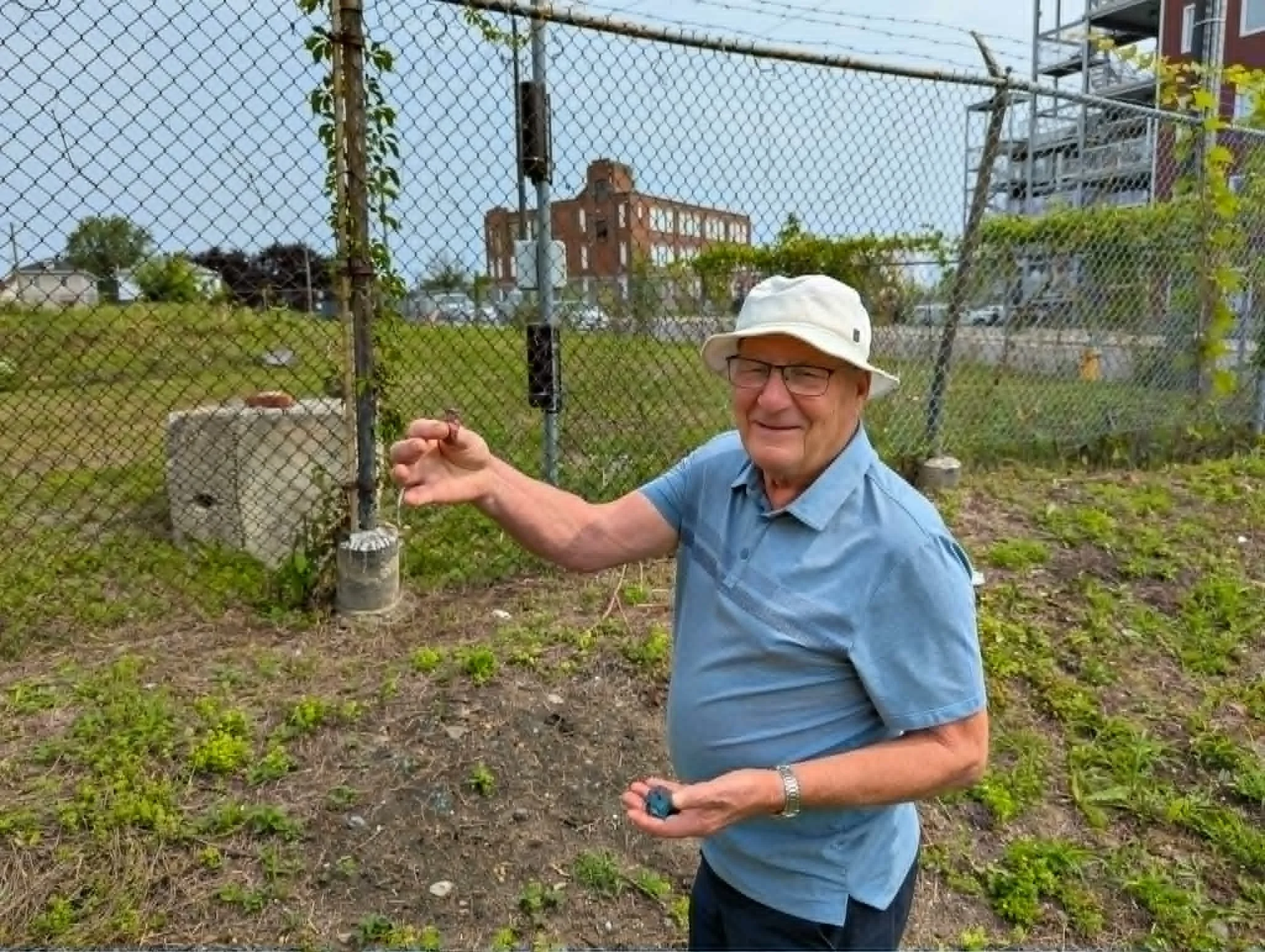
Jeremiah is the newest “club member.” August 22, 2026.